
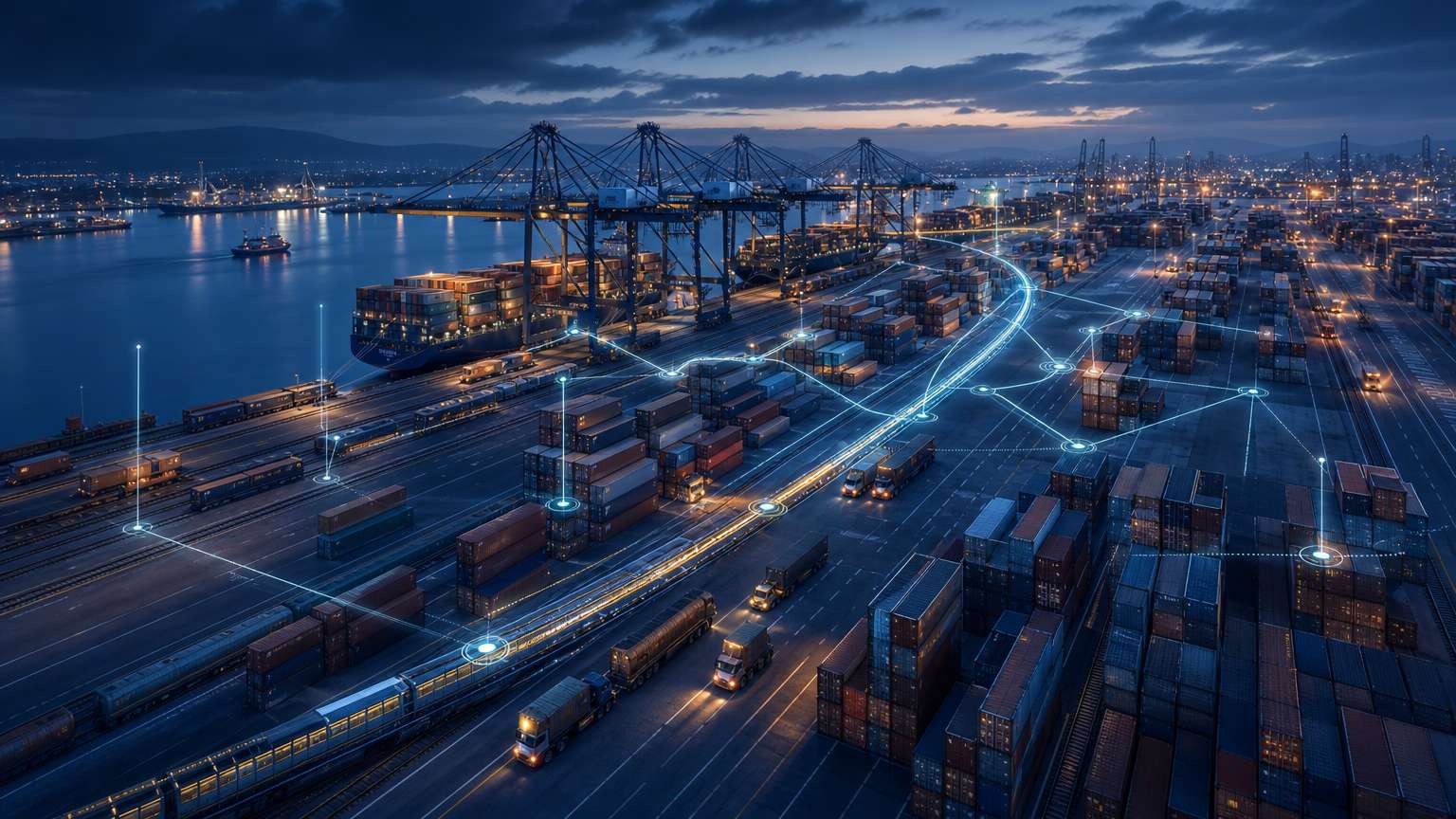
Anyone who has spent time in the shipping industry knows the frustration of container imbalance. Empty containers pile up in some ports while others face chronic shortages. This isn't a new issue.
A Problem as Old as Global Trade
Trade flows have never been perfectly symmetrical. Manufacturing hubs in Asia export far more than they import, leaving container yards in Europe and North America overflowing with empty boxes that need to be shipped back, often at significant cost and with no revenue to show for it.
According to various industry estimates, repositioning empty containers costs the shipping industry billions of dollars annually. It also contributes meaningfully to the sector's carbon footprint, since vessels and trucks burn fuel moving empty steel boxes rather than cargo.
For an industry already under pressure to decarbonise and improve margins, this is a problem worth solving properly.
Why Traditional Fixes Fall Short
For decades, carriers have relied on manual planning, historical trade data and experienced logistics teams to predict where containers will be needed next.
This approach works reasonably well when trade patterns are stable, but it struggles when disruptions hit, whether that's a port congestion crisis, a sudden shift in consumer demand or geopolitical events that reroute entire trade lanes.
Spreadsheets and static models simply cannot keep pace with the complexity of modern global trade, where thousands of containers move across hundreds of ports simultaneously.
The result is often reactive decision making rather than proactive planning.
Artificial intelligence offers something traditional methods cannot: the ability to process vast amounts of real time data and identify patterns that humans would miss.
Where AI Changes the Equation
Machine learning models can analyse booking trends, vessel schedules, port throughput data and even weather disruptions to forecast where container surpluses and shortages are likely to emerge weeks in advance.
Platforms such as Maersk's internal predictive analytics systems and tools like Portcast, which specialises in AI driven demand forecasting for container logistics, are already being used by carriers and freight forwarders to anticipate imbalances before they become costly problems.
These systems don't just flag issues, they recommend specific repositioning actions, such as which empty containers to prioritise moving and which routes offer the most efficient return paths.
Another practical example is the use of digital twins, virtual replicas of port and terminal operations, which allow planners to simulate different repositioning strategies before committing resources.
Companies like DP World have invested in these technologies to improve container flow visibility across their terminal networks.
Practical Applications Carriers Are Already Using
Several shipping lines have begun integrating AI powered optimisation tools into their fleet management systems.
These tools typically pull data from multiple sources including booking systems, customs databases and vessel tracking platforms to build a live picture of container availability across a network.
For instance, AI can suggest consolidating partial loads from nearby depots rather than shipping half empty containers, or identify opportunities to use container sharing agreements between carriers on specific trade lanes.
Some platforms also incorporate dynamic pricing models, encouraging shippers to use containers on underutilised routes through targeted discounts, which helps rebalance flow naturally rather than through forced repositioning.
This isn't about replacing experienced logistics professionals. It's about giving them better tools to make faster, more informed decisions.
The Business Case Is Clear
Beyond the obvious cost savings from reduced empty running, AI driven container management improves asset utilisation, which directly impacts profitability.
It also supports sustainability goals by cutting unnecessary fuel consumption and emissions tied to empty container movements.
For executives evaluating where to invest in digital transformation, container imbalance management represents a relatively low risk, high reward opportunity.
The technology exists, early adopters are already demonstrating results, and the potential savings are substantial given the scale of global container trade.
Looking Ahead
Container imbalance will never disappear entirely, as long as global trade remains asymmetrical.
But AI offers a genuine path towards managing it more intelligently, turning what has long been an accepted cost of doing business into an area of competitive advantage.
Carriers that invest in these capabilities now are likely to be the ones best positioned to navigate the next wave of disruption, whatever form it takes.